
Winter Salt and Slush: Protecting Commercial Floors in Boston
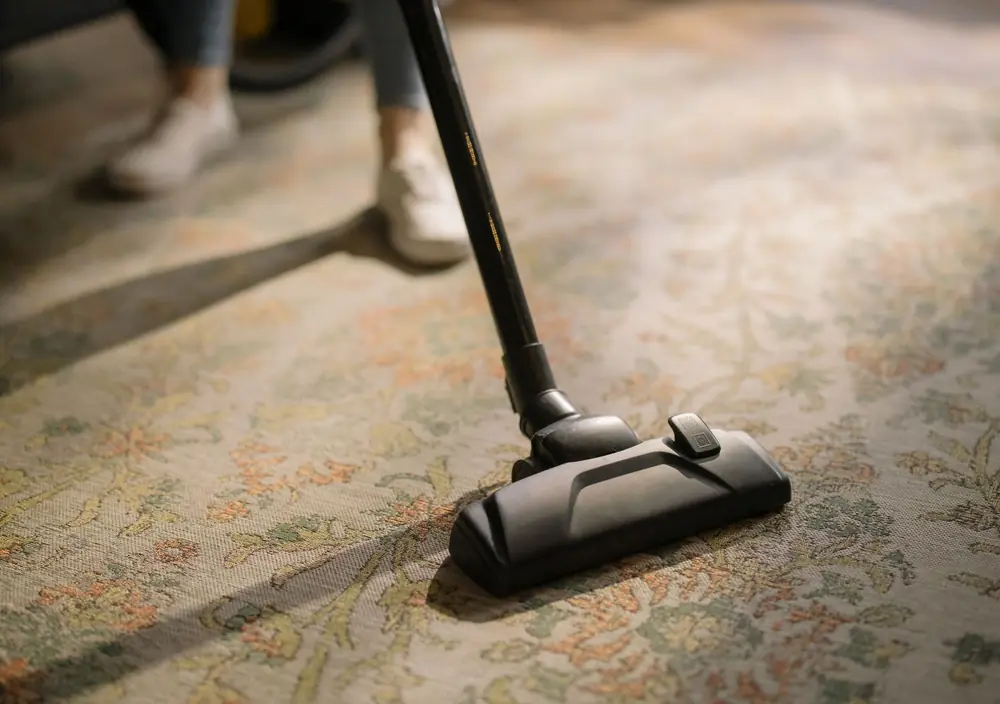
From December to March, every Boston entry gets the same visitor: salt, sand, and slush on every shoe. Without a plan, it ends up on your floors, in your carpets, and on your glass.
What salt does to floors
Road salt leaves a white film on hard floors and dries into stiff, discolored patches on carpet. Sand and grit act like sandpaper underfoot and wear down finishes in high-traffic paths. The longer it sits, the harder it is to remove.
Start at the door
- Use walk-off mats inside and outside the main entry
- Clean or replace mats often during storms, a saturated mat stops working
- Keep entry glass clean, slush spray shows on every door
- Dry-mop entry floors during the day when traffic is heavy
Clean salt the right way
Salt residue needs a neutral cleaner suited to the floor. Harsh products can damage stone and sealed hardwood. On carpet, a salt neutralizer applied before hot-water extraction stops the white stain from coming back as the carpet dries.
Adjust the schedule for winter
A scope written for spring is not enough in February. Lobbies, entries, and hallways may need extra visits or extra tasks during the worst months. Ask your cleaning company to adjust the scope for the season.
Plan a reset in spring
When the season ends, a deep clean and a full carpet extraction remove what built up over the winter and give floors and carpets a fresh start.
We handle carpet cleaning with a winter salt neutralizer and commercial cleaning for storefronts and lobbies across Greater Boston.